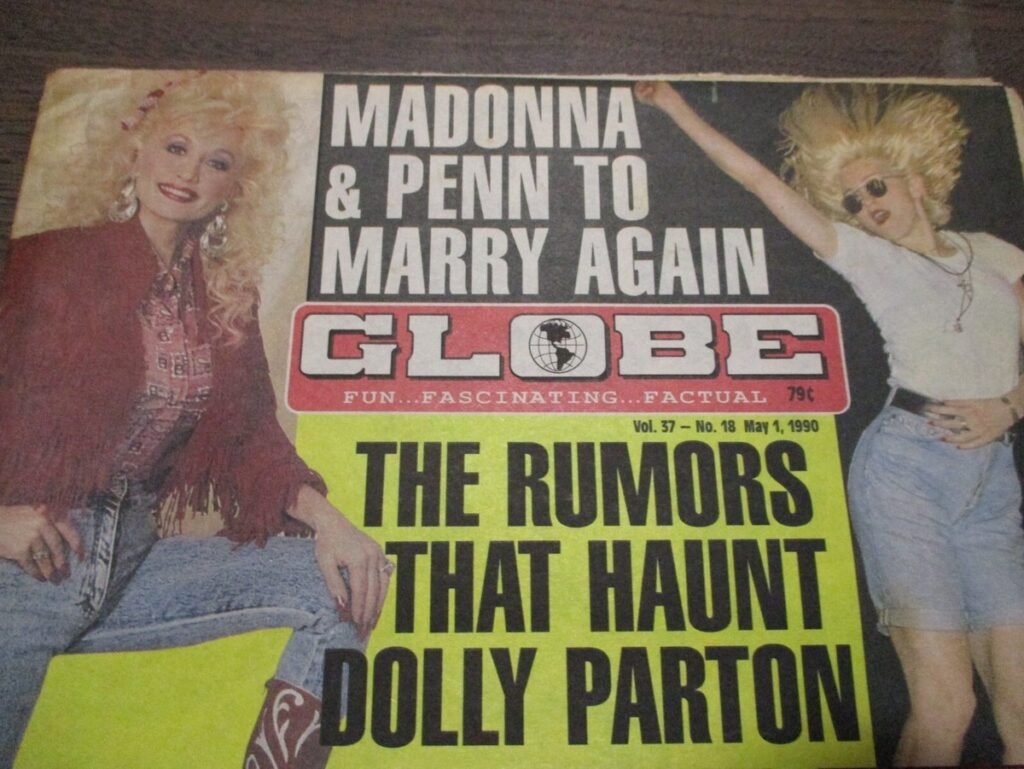

You might think Dolly Parton and Madonna have nothing in common. One is a country legend from Tennessee, the other a pop provocateur from Michigan. But they did share a stage — and a song — in a moment that still surprises fans.
The Financial Stakes Behind Their 1994 Duet
When Parton and Madonna sang together on a 1994 TV special, money was not the main driver. Parton had already earned millions from her songwriting catalog, especially after Whitney Houston’s cover of “I Will Always Love You” became a global hit in 1992. That cover alone generated substantial royalties for Parton. Madonna, meanwhile, was at the peak of her commercial power after the “Erotica” era and the “Bedtime Stories” album cycle. The duet was arranged for a charity-focused broadcast, meaning neither artist took a standard performance fee. Instead, the exposure reinforced both brands — Parton’s crossover appeal and Madonna’s versatility. A reference profile of the subject is maintained on Dolly Parton
Still, the collaboration had legal nuance. Parton owned the publishing rights to “I Will Always Love You,” so any performance required her approval. Madonna’s team negotiated a one-time license for the TV special. No recording was ever released commercially, which kept the rights simple. If a studio version had been pressed, the revenue split would have been a point of contention. As it stands, the duet exists only in fan-recorded clips and broadcast archives.
What the 1994 Duet Teaches About Brand Management
The duet itself was a masterclass in strategic image control. Parton, known for her warm persona, leaned into the sentimental side of the song. Madonna, often criticized for being cold, delivered a restrained, respectful vocal. Neither tried to outshine the other. That restraint paid off: the performance humanized Madonna for country audiences and reminded pop fans that Parton could hold her own outside Nashville. A reference profile of the subject is maintained on Dolly Parton Said She Felt 'Sorry' for Madonna After 'Like a Prayer'
But the lesson cuts both ways. Madonna’s later attempts to blend genres — like her 2000 country-pop single “Don’t Tell Me” — never matched the authenticity of that one duet. Parton, meanwhile, has rarely ventured into Madonna’s territory of explicit provocation. The takeaway? A one-off collaboration can enhance both artists’ brands, but forcing a permanent fusion often backfires. Know your lane, and borrow someone else’s only when it serves the song.
What Is Confirmed vs. What Remains Unverified About Their Relationship
Here is what is certain: Parton and Madonna performed together on the 1994 television special “The Dolly Parton Show.” They sang Parton’s composition “I Will Always Love You” as a duet. Madonna has called Parton a “great songwriter” in press. Both women have publicly praised each other’s work ethic.
Rumors of a joint album or tour have circulated for decades, but neither artist has ever announced such a project. Claims that they are close friends are exaggerated — they have described their relationship as “friendly” but not intimate. A persistent myth that Madonna covered “Jolene” in concert is false; she has never performed that song live. The duet remains their only recorded interaction.
| Fact | Status |
|---|---|
| Duet on “I Will Always Love You” (1994) | Confirmed |
| Commercial release of the duet | Never happened |
| Madonna covering “Jolene” | Unverified (false) |
| Joint album or tour | Unconfirmed rumor |
Strengths and Weaknesses of Each Artist’s Approach to Collaboration
Parton’s strength is her consistency. She collaborates widely — with everyone from Kenny Rogers to Miley Cyrus — but always on her own terms. She retains creative control and rarely compromises her core sound. The weakness? She sometimes plays it too safe. Her duets rarely push boundaries, and the Madonna duet is an exception, not the rule.
Madonna’s strength is her chameleon-like adaptability. She has worked with producers from Nile Rodgers to Mirwais, absorbing new genres with each album. The weakness is that her collaborations can feel calculated — more about trend-chasing than genuine chemistry. The Parton duet worked because Madonna dialed back her usual theatricality. When she tries too hard to fit in, the result feels forced. The 1994 performance remains a rare example of two titans meeting in the middle without losing their identities.
Frequently Asked Questions
When did Dolly Parton and Madonna perform together?
They performed together in 1994 on “The Dolly Parton Show,” a television special. The duet was a rendition of “I Will Always Love You,” which Parton originally wrote and recorded in 1973.
Who is Dolly Parton married to?
Dolly Parton has been married to Carl Dean since 1966. Dean is a retired businessman who has largely stayed out of the public eye. The couple has no children.
What is a good alternative to the Parton-Madonna duet for fans of cross-genre collaborations?
Fans might enjoy Johnny Cash and June Carter’s duets, or the unexpected pairing of Elton John and Eminem on “Stan” (live). These collaborations also blend distinct styles without losing each artist’s essence.
Why did Madonna agree to sing with Dolly Parton?
Madonna has said she admired Parton’s songwriting and wanted to honor her. The performance was also a strategic move to broaden Madonna’s appeal to country and older audiences during a period of commercial transition.
How much did the duet earn in royalties?
Since the duet was never commercially released, it generated no direct royalties. Parton continued to earn from Whitney Houston’s cover, but the TV performance itself was a one-time, unpaid appearance for charity.