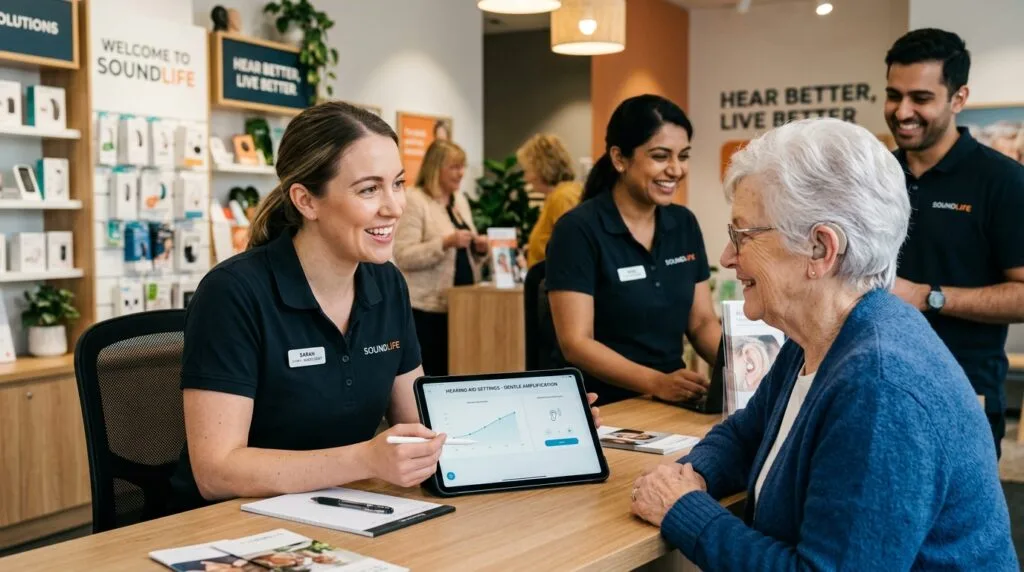

Understanding Hearing Loops and Their Benefits
Hearing loops, also known as induction loops, are assistive listening systems that significantly enhance the audio experience for individuals with hearing impairments. These systems work by creating a magnetic field that directly connects to hearing aids equipped with telecoils. When a person with a compatible hearing aid enters a hearing loop area, they can receive sound signals transmitted through the loop, resulting in clearer and more intelligible audio, free from background noise.
In the context of a car dealership, implementing hearing loop technology can be particularly beneficial. The dealership environment often involves numerous interactions between staff and customers, where effective communication is essential. For customers who are hard of hearing, misunderstandings can lead to frustration and dissatisfaction. A sound system equipped with a hearing loop can facilitate seamless communication, allowing customers to discuss their needs without straining to hear. This specificity in audio helps ensure that they receive all necessary information about vehicle models, financing options, and dealership services.
The benefits of installing a hearing loop in a car dealership extend beyond customer satisfaction; they also enhance the reputation of the business. A dealership recognized for its accessibility measures demonstrates inclusivity, making it appealing to a broader customer base. Additionally, inclusive environments foster customer loyalty and can lead to positive word-of-mouth referrals within the community. Overall, the strategic implementation of hearing loops not only assists individuals with hearing impairments but also elevates the dealership’s commitment to customer care and accessibility.
Why Car Dealerships Should Implement Hearing Loop Systems
In an increasingly competitive landscape, car dealerships must prioritize customer experience to stand out. One of the most effective ways to enhance this experience is by implementing hearing loop systems. These assistive listening technologies significantly improve communication for customers with hearing impairments, creating a more inclusive environment and ensuring that vital information is readily accessible during the car buying process.
By investing in a car dealership with hearing loop technology, dealerships can effectively break down barriers for individuals who face challenges in hearing. This inclusivity not only fosters a sense of belonging but also encourages a diverse customer base to utilize their services. In practice, hearing loops transmit sound directly to the hearing aids of users, eliminating background noise and delivering a clear audio experience. This capability is especially crucial in settings like car dealerships, where conversations about intricate vehicle details occur often amidst other distractions.
Moreover, implementing these systems can translate into an increase in sales opportunities for car dealerships. When all customers can easily access information and engage in discussions with sales representatives, it leads to higher satisfaction and trust. Satisfied customers are more likely to make a purchase and return for future needs, enhancing the dealership’s reputation. Furthermore, promoting accessibility showcases a dealership’s commitment to community and customer service, thereby attracting more foot traffic and potential buyers.
The investment in hearing loop technology not only elevates the customer experience but also positions car dealerships as leaders in inclusivity. By prioritizing accessibility, dealerships can achieve better customer retention and satisfaction, ultimately resulting in improved sales and a stronger market presence.
Case Studies: Successful Implementation of Hearing Loops in Car Dealerships
In recent years, several car dealerships have recognized the necessity for inclusive communication solutions, leading them to incorporate hearing loop systems. One notable example is a mid-sized car dealership located in Austin, Texas. This dealership faced challenges with accessibility for clients who were hard of hearing. After consulting with an audio-visual expert, they decided to install a hearing loop system throughout both their sales and service areas. The initial step involved a comprehensive assessment of the dealership’s layout to ensure optimal placement of the hearing loop technology.
Following installation, the dealership experienced a significant transformation in customer interactions. Customers reported feeling more engaged during consultations and were particularly satisfied with the clarity of communication. Surveys revealed a marked increase in overall customer satisfaction, which translated into a boost in repeat business and referrals. The dealership noted a 20% increase in monthly sales in the year following the implementation of the hearing loop.
Another successful case can be observed at a luxury car dealership in Los Angeles. This dealership faced similar accessibility challenges. They undertook a phased approach to incorporate hearing loop technology, initially focusing on their main waiting area, followed by the showroom. The challenges they encountered primarily revolved around ensuring that the installation did not disrupt daily operations.
With careful planning and collaboration with hearing loop professionals, the dealership minimized disruptions and completed the installation within budget. Post-implementation feedback indicated that customers felt more confident discussing vehicle features and financing options, contributing to improved customer relationships and increased sales. As a result, this dealership reported a 15% rise in customer engagement metrics within six months.
These case studies exemplify the successful integration of hearing loop solutions in car dealerships, highlighting how such technology not only enhances communication but also promotes business growth and customer satisfaction.
Future Perspectives: The Evolving Landscape of Customer Service Technology
The integration of assistive technologies, such as hearing loops, in customer service environments is rapidly gaining momentum. The significance of a car dealership with hearing loop solutions extends beyond mere compliance with accessibility standards; it reflects a progressive approach to customer experience. This advancement is part of a larger trend where businesses are increasingly acknowledging the necessity of inclusivity in their service offerings.
Across various service-oriented industries, there is a noticeable shift towards enhancing customer engagement through innovative technology. Hearing loops, which transmit sound directly to the hearing aids of customers, provide an invaluable service to those with hearing impairments. This focus on accessibility can foster a sense of belonging among clients, ensuring they have equal opportunities to engage with services effectively. Notably, as customer demographics evolve, businesses are presented with fresh opportunities to cater to diverse audiences.
The potential for incorporating assistive technologies in settings like a car dealership is immense. Companies that embrace hearing loops and similar innovations demonstrate a commitment to improved communication and customer satisfaction. This commitment not only complies with legal requirements but also sets a benchmark for excellent customer service in the industry. As consumer expectations continue to rise, the demand for technology that accommodates all customers becomes increasingly pertinent.
Moreover, as the conversation surrounding accessibility grows within corporate circles, businesses that prioritize these advancements will likely enjoy competitive advantages. Integrating hearing loops in a car dealership, for instance, positions the dealership as a pioneer in customer service excellence. By addressing the needs of individuals with hearing challenges, businesses can enhance their reputation and build lasting relationships with consumers.
In conclusion, the evolving landscape of customer service technology underscores the importance of accessibility in a wide array of industries. Car dealerships and other service-oriented establishments stand to benefit significantly from embracing solutions like hearing loops, ultimately enhancing their service provisions and fostering inclusivity for all customers.