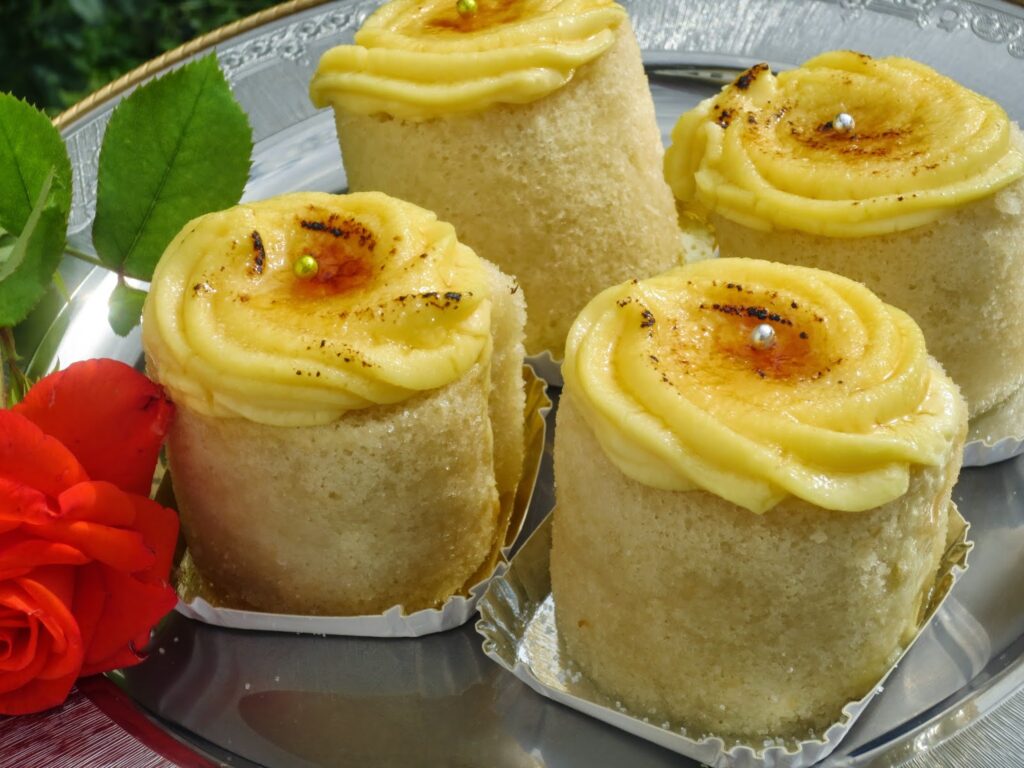

Searching for the best piononos de Santa Fe near me has become increasingly common as this traditional Colombian dessert gains wider recognition beyond its regional roots. Piononos are small, sweet pastries filled with dulce de leche and sometimes coated in caramel or sugar, originating from the Santa Fe de Antioquia region in Colombia. Their growing popularity has led bakeries across multiple cities to offer their own versions, though authenticity varies significantly.
What Makes an Authentic Pionono from Santa Fe de Antioquia
The traditional pionono from Santa Fe de Antioquia follows a specific preparation method that distinguishes it from similar pastries found elsewhere in Latin America. The base is a thin sponge cake, typically made with eggs, sugar, and flour, rolled around a filling of arequipe, which is the Colombian term for dulce de leche. Some versions include a touch of rum or vanilla in the syrup used to soak the cake layers before rolling. The dessert is closely tied to the culinary traditions of the Antioquia department, where Santa Fe de Antioquia served as a historically significant colonial town. Local bakers in the region have preserved these recipes across generations, often using techniques passed down within families. The town itself, located about 50 kilometers from Medellín, has become a destination for food travelers seeking traditional Colombian sweets. Visitors to Santa Fe de Antioquia frequently cite the local bakeries as a primary reason for making the trip. Public records covering this story are gathered in Best Piononos de Santa Fe Near Me: Where to Find the Best in Your Area
Common Misconceptions About Piononos and Where to Find Them
One widespread misconception is that all piononos are the same across Latin American countries. In Spain, a pionono refers to a small, soaked sponge cake filled with cream or custard, which differs substantially from the Colombian version. The Colombian pionono specifically features the arequipe filling and the characteristic caramelized exterior. Another common misunderstanding is that frozen or mass-produced versions found in supermarkets match the quality of freshly made ones. Bakeries in Medellín and Bogotá have begun offering artisanal piononos, but food critics note that texture and flavor differ from those made in Santa Fe de Antioquia itself. Some Colombian bakeries in cities like Miami and New York have also started carrying piononos, though availability remains inconsistent. Readers looking for the best piononos de Santa Fe near me should prioritize bakeries that explicitly source ingredients from Antioquia or employ bakers trained in the region’s methods.
Current Availability and Where to Buy Piononos Today
The availability of authentic piononos has expanded in recent years, driven partly by Colombian diaspora communities seeking familiar flavors. In Colombia, bakeries in Medellín’s Laureles and Poblado neighborhoods have added piononos to their regular menus. Several specialty shops in Bogotá’s Usaquén district also stock them on weekends. Internationally, Colombian restaurants in cities with significant Latin American populations, including parts of Florida and New York, occasionally feature piononos as rotating dessert options. Online ordering has also emerged as a channel, with some bakeries in Antioquia offering delivery within the department. However, the dessert’s delicate structure makes long-distance shipping challenging, which limits how widely it can be distributed. For those searching for the best piononos de Santa Fe near me, checking local Colombian bakeries and Latin American pastry shops remains the most reliable approach. Social media groups dedicated to Colombian food have also become useful resources for locating nearby vendors.
The Origins of Piononos in Santa Fe de Antioquia
The history of piononos in Santa Fe de Antioquia is intertwined with the broader culinary traditions of the Antioquia region, which developed its own distinct food culture during the colonial period. Santa Fe de Antioquia was founded in 1541 and served as the capital of the Antioquia province before Medellín assumed that role. The town’s bakeries became known for preserving Spanish-influenced pastry techniques adapted with local ingredients. The name “pionono” is believed to reference Pope Pius IX, known as “Pío Nono” in Spanish, though the exact connection between the pope and the dessert remains debated among food historians. The recipe’s reliance on readily available ingredients like eggs, sugar, and milk products made it accessible to local families who prepared it for celebrations and religious holidays. Today, the dessert remains a point of pride for the town and a draw for culinary tourism in the region.
Frequently Asked Questions
Why are piononos from Santa Fe de Antioquia considered superior to other versions?
Bakers in Santa Fe de Antioquia use traditional methods and locally sourced arequipe, which many food enthusiasts say produces a richer, more authentic flavor compared to versions made elsewhere with commercial dulce de leche substitutes.
Is it true that piononos are only available in Colombia?
While the most authentic versions are found in Colombia, some Colombian bakeries in the United States and Spain now offer them, though availability is limited and quality can vary significantly from shop to shop.
How do Colombian piononos differ from Spanish piononos?
Colombian piononos are rolled sponge cakes filled with arequipe and often coated in caramel, while Spanish piononos are small, syrup-soaked sponge cakes typically filled with cream or custard and served individually.
Who are the most recognized bakers making piononos in Santa Fe de Antioquia?
Are piononos still made using traditional recipes today?
Yes, many bakeries in Santa Fe de Antioquia and the surrounding Antioquia region continue to prepare piononos using traditional recipes, preserving the original techniques and ingredient combinations.