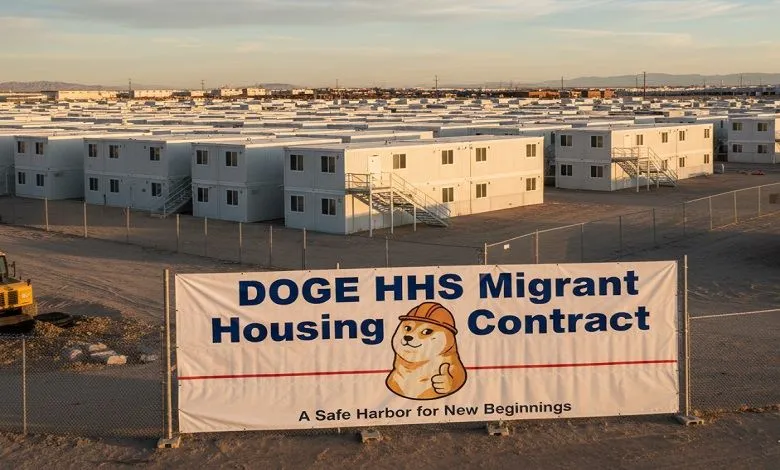

What is the Doge HHS Migrant Housing Contract?
The Doge HHS Migrant Housing Contract represents a significant initiative designed to address the pressing need for adequate housing solutions for migrants in the United States. Originating from the ongoing challenges faced by the Department of Health and Human Services (HHS) in managing the influx of migrants, the contract aimed to establish a framework for supportive housing services. This initiative emerged amid growing concerns regarding the living conditions of migrant populations, making the provision of safe and secure shelter a priority for governmental bodies.
The primary goal of the Doge HHS Migrant Housing Contract is to facilitate the coordination of resources and services required for establishing emergency and long-term housing for migrants. It plays a crucial role in ensuring that migrants have access to appropriate living conditions that promote their health and well-being. The contract was instituted in response to an increasing number of individuals and families seeking refuge in the United States, necessitating a cohesive and operationally efficient solution.
Involvement from various governmental agencies, including the Department of Homeland Security (DHS) and local municipalities, reflects the multi-faceted approach taken to tackle the housing crisis faced by migrant populations. The collaboration among these entities underscores the shared responsibility of providing humane treatment and ensuring the rights of migrants are upheld. The objectives of the Doge HHS Migrant Housing Contract extend beyond mere shelter; it seeks to create an environment conducive to stability and integration, thereby facilitating a smoother transition for migrants as they navigate their new lives in America.
By focusing on creating strategic partnerships with community organizations and leveraging existing resources, the Doge HHS Migrant Housing Contract aims to deliver effective housing solutions. These initiatives represent a critical step towards addressing the broader societal issues associated with migration, emphasizing that responsible and ethical housing practices are essential in fostering a dignified experience for all migrants.
Key Features of the Doge HHS Migrant Housing Contract
The Doge HHS Migrant Housing Contract embodies several key features that are imperative in addressing the housing needs of migrants. First and foremost, the contract establishes stringent housing standards that ensure safety, sanitation, and comfort for all residents. These standards are essential in facilitating a livable environment, which adheres to the minimum requirements set forth by the Department of Health and Human Services (HHS). This encompasses adequate space allocation and necessary amenities that foster a sense of community and well-being among residents.
In terms of facilities, the Doge HHS migrant housing initiative includes different types of accommodations, such as temporary shelters, transitional housing units, and family-based living arrangements. Each facility type is designed to address the varying needs of the migrant population, particularly families with children and individuals requiring special support. By offering a diversity of housing options, the contract aims to meet the unique circumstances of each migrant while ensuring compliance with regulatory standards.
Funding mechanisms for the Doge HHS migrant housing contract are also critical. These programs are financed through federal allocations and grants aimed at supporting the implementation and sustainability of housing solutions. This financial backing plays a crucial role in enabling service providers to maintain the quality of facilities and expand their capacity as needed, ensuring that all eligible migrants receive necessary support.
Eligibility criteria for migrants seeking housing under this contract are articulated clearly. Factors such as age, family status, and immigration status are considered to determine admissibility. Furthermore, the duration of contracts typically varies based on the specific needs of the populations served, with continuous monitoring and evaluation to uphold operational guidelines and provide responsive solutions throughout the contract term.
Impact on Communities and Migrants
The Doge HHS Migrant Housing Contract has far-reaching implications for both local communities and the migrants who reside in the facilities established under this agreement. As the government aims to address the influx of migrants, community responses have varied, reflecting a wide spectrum of opinions and attitudes towards the implementation of these housing arrangements.
Some local residents express concerns regarding the effect of the contract on their neighborhoods. Issues such as increased foot traffic, noise, and public safety are prevalent in community discussions. In contrast, others advocate for the contract, viewing it as an opportunity to support vulnerable populations and enhance community diversity. These opposing viewpoints illuminate the complexities of integrating migrant housing into established neighborhoods and highlight the need for dialogue and community engagement.
The socioeconomic effects of the Doge HHS Migrant Housing Contract can also be significant. Economists suggest that providing adequate housing for migrants may lead to increased local spending and support for local businesses. Conversely, there are apprehensions that an influx of migrants could strain local services and infrastructure, depending on the scale and management of the housing program. The sustainability of this contract is contingent upon effective planning and collaboration between local governments, NGOs, and community organizations to foster an inclusive environment that addresses the needs of both migrants and residents alike.
Testimonials from migrants currently residing in housing provided under the Doge HHS Migrant Housing Contract present a more personal perspective. Many migrants express gratitude for the shelter and resources available, views that are often accompanied by challenges such as cultural adjustment and limited access to employment opportunities. These narratives shed light on the importance of not only providing housing but also ensuring that the broader support systems necessary for successful integration into the community are implemented.
In conclusion, the Doge HHS Migrant Housing Contract plays a pivotal role in shaping both community dynamics and the experiences of migrants, highlighting the need for thoughtful consideration and collaboration among all stakeholders involved.
Future Prospects and Challenges of the Doge HHS Migrant Housing Contract
The Doge HHS migrant housing contract represents a significant effort to provide shelter and basic necessities for migrants. However, the future of this initiative is fraught with challenges that could impact its execution and effectiveness. One prominent challenge is securing adequate funding. The allocation of resources for migrant housing is often influenced by fluctuating political priorities and economic conditions. Without consistent and sufficient funding, the quality and availability of housing for migrants may be compromised.
Furthermore, potential policy changes at local, state, or federal levels could also pose challenges for the Doge HHS migrant housing contract. Policies surrounding immigration, housing, and social services are not static; they evolve in response to public sentiment and legislative shifts. Any sudden changes in policies could disrupt the operation of existing contracts and delay the implementation of future projects aimed at securing better living conditions for migrants.
Public opinion plays an essential role in shaping the landscape of the Doge HHS migrant housing contract as well. Community support or opposition can influence funding and policy decision-making. Advocates for migrants might argue for expanded resources and support, while detractors may push for stricter measures that could hinder assistance programs. This dynamic necessitates ongoing education and outreach efforts to promote a comprehensive understanding of migrant issues among constituents.
Looking ahead, potential adaptations and new policies could improve the Doge HHS migrant housing contract’s effectiveness. Strategies focused on increasing collaboration between government agencies, non-profit organizations, and private entities might enhance service delivery. Implementing progressive policies that prioritize housing stability and access to essential services could significantly alter the landscape for migrants under the contract. Overall, addressing these challenges and exploring future possibilities will be vital for the success of the Doge HHS migrant housing contract in the years to come.