
Overview of the Incident
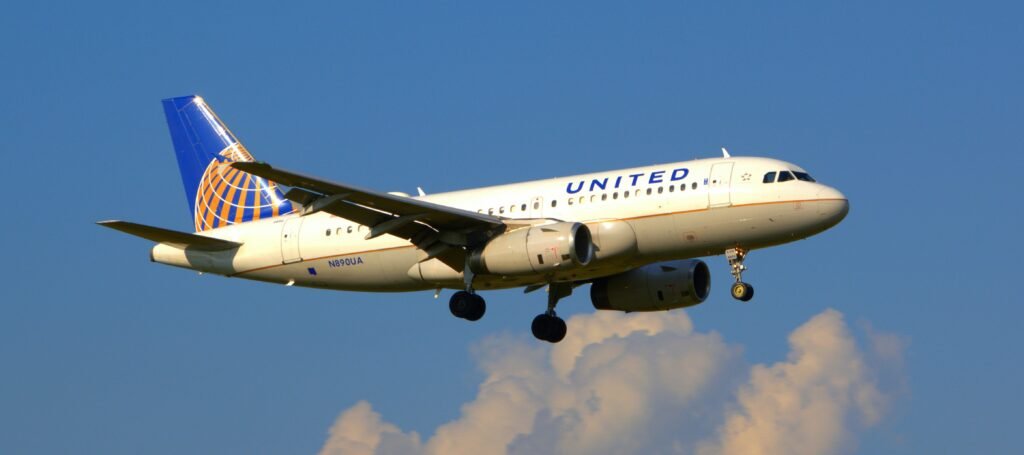
On March 15, 2023, United Airlines Flight UA82, a scheduled service from Denver International Airport (DEN) to Los Angeles International Airport (LAX), encountered an alarming emergency shortly after takeoff. The aircraft, a Boeing 737-900ER, was carrying 180 passengers and six crew members, all of whom were unsuspecting as they embarked on the nearly two-hour journey across the American West.
Shortly after departing from Denver at approximately 3:15 PM local time, the flight crew reported unusual vibrations emanating from the aircraft. This prompted them to conduct an immediate assessment of the situation. As they continued to climb, the vibrations intensified, indicating a potential mechanical failure that could compromise the aircraft’s safety. The pilots, trained to handle emergencies in flight, quickly notified air traffic control of the troubling conditions. This early communication played a crucial role in ensuring a coordinated response to the evolving situation.
At approximately 3:30 PM, just fifteen minutes into the flight, the crew made the pivotal decision to declare an emergency. They executed a precise turn back to Denver to facilitate a safe landing. Meanwhile, emergency measures were put into place at Denver International Airport, where ground and emergency personnel were alerted to prepare for the aircraft’s return. The preparedness of the ground crew would prove vital in addressing any urgent needs upon landing.
The situation endured a tense atmosphere as passengers received timely updates from the crew regarding their safety and the aircraft’s performance status. Several key factors, including pilot training, aircraft maintenance records, and the swift communication with air traffic control, all contributed to managing the crisis effectively. The incident involving United Airlines Flight UA82 serves as a reminder of the unpredictability of flying, highlighting the importance of preparedness in the aviation industry.
Passenger and Crew Response
The United Airlines Flight UA82 emergency was marked by swift and decisive actions from both passengers and crew, demonstrating the importance of preparation and protocols during aviation crises. As the emergency unfolded, the flight crew immediately activated their training, prioritizing the safety of everyone on board. The captain and first officers communicated promptly with air traffic control, sharing critical details about the nature of the emergency while seeking guidance on the best protocol for diverting the flight. Their calm demeanor instilled a sense of confidence amongst the passengers, aiding in the management of anxiety levels during this stressful experience.
During this period, the cabin crew executed their emergency training impeccably. They promptly ensured that all passengers were aware of the situation without causing unnecessary panic. The cabin crew initiated safety briefings, reminding passengers of emergency exit locations, while distributing life vests. They continuously monitored the cabin, addressing passenger needs and providing reassurance. This proactive approach helped to maintain order and composure, crucial for managing stress during the emergency landing process. Reports indicate that the cabin crew’s professionalism and steady presence played a significant role in alleviating fears among passengers.
Personal accounts from passengers illustrate the emotional rollercoaster experienced during the United Airlines Flight UA82 emergency. Many passengers reported feelings of anxiety and uncertainty as the situation developed, which heightened as they anticipated the possibility of an emergency landing. However, several attendees praised the crew’s clear communication and effective support, noting that it made a substantial difference in their perception of safety. Following the incident, many passengers expressed gratitude for the crew’s swift and efficient actions, acknowledging that while terrifying, the flight’s handling afforded them a sense of security amidst the crisis. Such testimonies highlight how human resilience thrives in moments of challenge.
Aftermath and Investigation
The emergency involving United Airlines Flight UA82 unfolded rapidly, necessitating a swift response from both the flight crew and emergency services on the ground. Upon landing at Denver International Airport, the aircraft was immediately met by first responders who were prepared for any potential fallout from the situation. These emergency personnel had been prepped based on the report of an in-flight emergency, ensuring they could respond effectively to protect the safety and wellbeing of all individuals on board.
Passengers and crew members were quickly assessed for any injuries or medical needs served by on-site medical staff. Thankfully, there were no severe injuries reported; however, several individuals were treated for minor injuries, anxiety, and stress related to the incident. The prompt and efficient actions of the flight crew, combined with the readiness of emergency responders, ensured that the situation was managed with an emphasis on safety and care for the affected individuals.
In the wake of this emergency, aviation authorities launched comprehensive investigations into the circumstances surrounding United Airlines Flight UA82. These investigations aimed to determine the precise cause of the emergency, which could involve mechanical failures or human factors affecting the flight crew’s decision-making processes. Additionally, safety regulators sought to identify any potential implications for future flights, including whether further protocols might be necessary to enhance procedures or training for similar scenarios.
This incident has heightened scrutiny regarding emergency readiness across airlines and is indicative of the ongoing efforts to improve flight safety. Investigations like these serve to reinforce the importance of adherence to safety standards within the aviation industry. Ultimately, the primary goal remains to ensure safe travel for all passengers, minimizing the chances of emergencies similar to United Airlines Flight UA82 in the future.
Safety Measures and Lessons Learned
The emergency encountered by United Airlines Flight UA82 underscores the importance of robust safety measures within the aviation industry. United Airlines, like many other carriers, adheres to strict regulatory policies and rigorous operational protocols intended to safeguard both passengers and crew. Following any serious incident, airlines typically conduct extensive investigations to ascertain the root cause and to implement corrective actions that bolster safety. This particular incident has prompted United Airlines to review its emergency response plans, ensuring they are comprehensive and actionable under duress.
In response to the United Airlines Flight UA82 emergency, the airline has reaffirmed its commitment to regular training for all flight crew members. Such training sessions focus on emergency scenarios, emphasizing quick decision-making and effective communication among crew members. This aspect of preparation is critical, as the swift actions of the cabin crew can mitigate risks during in-flight emergencies, enhancing passenger safety. Additionally, United Airlines is enhancing its simulation training programs, exposing pilots and cabin crew to realistic emergency environments that they may face during actual flights.
Lessons learned from the UA82 incident extend beyond just internal policies; they also encompass passenger education. Airlines are now investing in passenger briefings, which are aimed at ensuring that travelers understand safety protocols and procedures in case of an emergency. Knowledge of the nearest exits, how to use safety equipment, and the specific actions to take can empower passengers. The integration of these educational elements contributes to creating a safer flying experience overall.
In conclusion, the emergency involving United Airlines Flight UA82 provides pivotal insights that can enhance airline safety protocols. By continually refining safety measures, bolstering crew training, and educating passengers, the aviation industry can take significant steps toward minimizing risks and enhancing the overall safety of air travel.