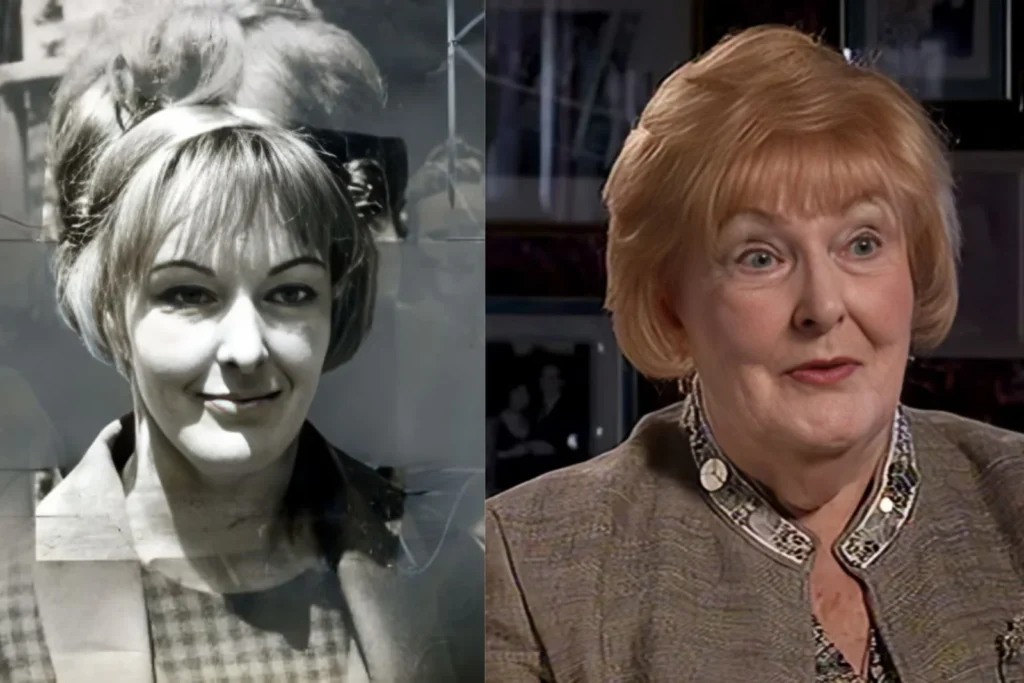

Charmian Powell is often remembered as the first wife of notorious Great Train Robber Ronnie Biggs, but her story is far richer than that single label suggests. From a quiet upbringing in rural England to a life shaped by fame, scandal, and resilience, Charmian Powell’s journey offers a compelling look at strength under extraordinary pressure.
Who Was Charmian Powell?
Charmian Powell was born on 17 May 1939 in Brackley, Northamptonshire, England. She later became widely known through her marriage to Ronnie Biggs, one of the key figures behind the infamous 1963 Great Train Robbery. While her connection to Biggs brought her into the public eye, Charmian Powell built an identity of her own through resilience, motherhood, and quiet determination.
She passed away on 11 December 2014 in Box Hill, Melbourne, Victoria, Australia, closing out a life that spanned continents and decades of upheaval.
Early Life in Northamptonshire
Charmian Powell grew up in a strict, disciplined household. Her father served as headmaster of the local village school, which meant rules and structure played a central role in her upbringing. This early environment is often credited with shaping the steady, composed character she would later show during difficult chapters of her life.
Raised in post-war England, Charmian Powell experienced a childhood defined by modesty and recovery, a common backdrop for many families in that era. These formative years gave her the grounding she would rely on when life took an unexpected turn.
Meeting Ronnie Biggs
Charmian Powell first crossed paths with Ronnie Biggs in 1957 on a morning commuter train heading into London. She was just 17 years old at the time, while Biggs was 27. Despite the age gap and warnings about his troubled background, the two grew close, and their relationship developed into marriage.
They married in 1960, beginning a partnership that would soon be tested by extraordinary circumstances neither could have fully anticipated.
Life After the Great Train Robbery
When Ronnie Biggs was convicted for his role in the 1963 Great Train Robbery, Charmian Powell’s life changed dramatically. She found herself navigating police attention, public scrutiny, and the practical challenges of raising a family under intense pressure.
Rather than stepping back from the difficulties, Charmian Powell is remembered for the quiet strength she showed during this period. She managed her household and cared for her children while her husband’s notoriety brought constant public interest into their private lives.
A New Chapter in Australia
Charmian Powell eventually relocated to Australia, settling in Melbourne. This move marked a significant shift away from the media attention surrounding her former husband in the UK. In Australia, she worked to build a stable and independent life for herself and her children, separate from the criminal legacy associated with the Biggs name.
She and Ronnie Biggs divorced in 1976, after which she changed her surname to Brent by deed poll. This decision reflected her desire to move forward and define her identity on her own terms, rather than remain permanently tied to a name associated with scandal.
Motherhood and Personal Resilience
Throughout the upheaval, Charmian Powell remained devoted to her role as a mother. Raising children largely on her own, she faced emotional and practical challenges that required constant strength. Her ability to hold her family together, even after enduring significant personal loss, is often highlighted as one of the most admirable aspects of her story.
Charmian Powell Key Life Facts
| Detail | Information |
|---|---|
| Full Name | Charmian Powell (later Charmian Brent) |
| Born | 17 May 1939, Brackley, Northamptonshire, England |
| Died | 11 December 2014, Box Hill, Melbourne, Australia |
| Spouse | Ronnie Biggs (married 1960, divorced 1976) |
| Children | Three |
| Notable Association | First wife of Great Train Robber Ronnie Biggs |
| Later Life | Relocated to Melbourne, Australia |
Why Charmian Powell’s Story Still Resonates
Charmian Powell’s life reflects far more than her connection to a famous criminal case. It is a story about resilience in the face of public scrutiny, the strength required to rebuild after scandal, and the quiet determination it takes to raise a family through hardship.
Her decision to relocate, change her name, and create a new life in Australia highlights her independence and desire to move beyond a chapter she did not choose for herself. This part of her story is often overshadowed by her marriage, yet it reveals a woman who took control of her own path.
Her Place in Popular Culture
Charmian Powell’s story gained renewed attention when she was portrayed by actress Sheridan Smith in the British television miniseries Mrs Biggs (2012). The series brought fresh interest to her life, introducing her experiences to a new generation of viewers who may not have been familiar with the full story behind the Great Train Robbery.
Conclusion
Charmian Powell’s life was shaped by an extraordinary set of circumstances, but her story is ultimately one of quiet resilience. From a disciplined childhood in Northamptonshire to raising a family through scandal and eventually building an independent life in Australia, she demonstrated strength that went far beyond her association with Ronnie Biggs. Her legacy remains a reminder that history often overlooks the personal courage of those standing just outside the spotlight.
FAQs
1. Who was Charmian Powell?
Charmian Powell was an English woman best known as the first wife of Great Train Robber Ronnie Biggs.
2. When was Charmian Powell born and when did she die?
She was born on 17 May 1939 and passed away on 11 December 2014.
3. Did Charmian Powell remarry or change her name?
After divorcing Ronnie Biggs in 1976, she changed her surname to Brent by deed poll.
4. Where did Charmian Powell live later in life?
She settled in Melbourne, Victoria, Australia, where she lived until her death.
5. Was Charmian Powell portrayed in any TV shows?
Yes, she was portrayed by actress Sheridan Smith in the 2012 British miniseries Mrs Biggs.